
When it comes to women’s health, gynecology and obstetrics in Connecticut are like the dynamic duo of wellness. They tackle everything from routine check-ups to the miraculous journey of pregnancy, ensuring women feel empowered and informed every step of the way. After all, who wouldn’t want a healthcare experience that’s as comfortable as their favorite pair of sweatpants?
In a world where women juggle careers, families, and social lives, prioritizing health can feel like another item on the to-do list. But with expert gynecologists and obstetricians at their side, women can navigate their health with confidence, humor, and a sprinkle of sass. So let’s dive into the essentials of women’s health in CT, where care meets compassion and every appointment is an opportunity to celebrate the incredible journey of womanhood.
Overview Of Women’s Health In CT
Women’s health in Connecticut encompasses a comprehensive range of services addressing physical, emotional, and reproductive needs. Gynecology and obstetrics play vital roles in ensuring women’s well-being, offering expertise in preventive care, prenatal services, and overall reproductive health. Access to routine screenings, such as mammograms and pap smears, remains essential for early detection of health issues.
In Connecticut, numerous healthcare facilities focus on creating a supportive environment for women. They prioritize patient education and foster empowering experiences, allowing women to make informed decisions about their health. Collaborations between healthcare providers and community organizations enhance awareness and access to resources.
Educational programs targeting topics like menstrual health and menopause build confidence in women throughout their lives. They cover essential aspects such as hormonal changes and fertility guidance, ensuring women receive personalized care tailored to their unique needs. Moreover, mental health initiatives focus on providing support for conditions like postpartum depression, promoting well-rounded care.
Data show that Connecticut boasts a higher percentage of women receiving recommended preventive screenings compared to national averages. This emphasizes a commitment to women’s health and highlights the importance of regular check-ups. Obstetric care, including prenatal and postnatal support, remains crucial in ensuring healthy pregnancies and deliveries.
Overall, women’s health in Connecticut reflects a multifaceted approach rooted in compassion, education, and accessibility. Prioritizing specialized care through gynecology and obstetrics, the state’s healthcare system aims to uplift women’s health at every stage of life.
Importance Of Gynecology And Obstetrics
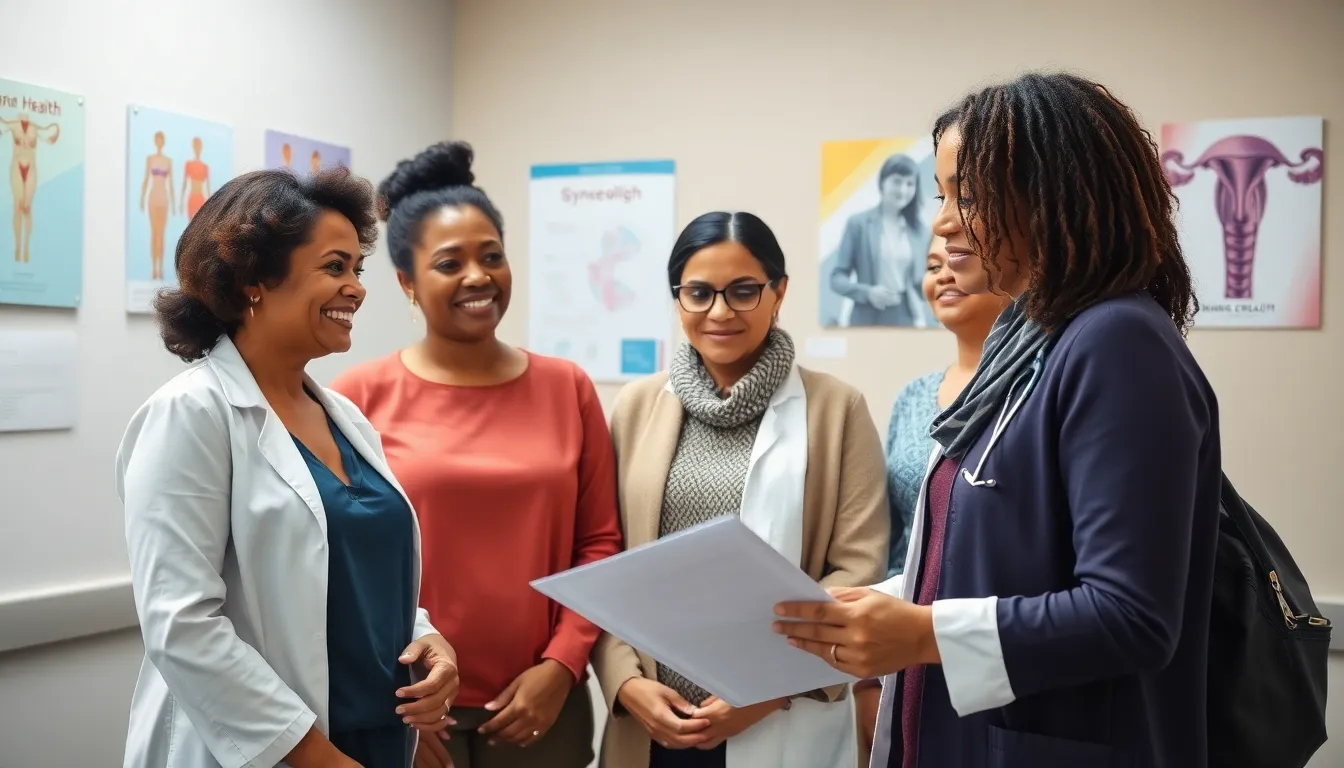
Gynecology and obstetrics are crucial to women’s health in Connecticut. These medical specialties provide essential care at every life stage, ensuring that women receive the appropriate services for their needs.
Role Of Gynecologists
Gynecologists focus on a woman’s reproductive health. They conduct routine examinations, including pelvic exams and screenings. Preventive care measures, such as pap smears, play a significant role in detecting potential health issues early. Educating patients about menstrual health can enhance awareness and foster proactive health management. Additionally, gynecologists are skilled in addressing conditions like endometriosis and polycystic ovary syndrome. They also provide counseling on contraception and reproductive planning. Their expertise empowers women to take control of their health and navigate challenges with confidence.
Role Of Obstetricians
Obstetricians specialize in pregnancy, childbirth, and postpartum care. They support women through prenatal visits, ensuring the health of both mother and baby. Providing education on birthing options helps women feel prepared and informed. During labor, obstetricians offer critical assistance, prioritizing safety and well-being. Postpartum follow-up addresses physical recovery and mental health, recognizing the impact of conditions like postpartum depression. Their commitment to comprehensive care enhances women’s experiences during this transformative time. In Connecticut, obstetricians collaborate closely with other healthcare providers, reinforcing a community-focused approach to maternal health.
Common Health Issues
Women encounter various health issues throughout their lives, particularly in gynecology and obstetrics. Understanding these concerns helps prioritize overall well-being.
Reproductive Health Concerns
Reproductive health issues affect many women. Conditions such as endometriosis, polycystic ovary syndrome, and fibroids often lead to painful symptoms. Regular gynecological exams help in early detection and effective management of these conditions. Routine screenings, including pap smears, identify cervical cancer risks, allowing for timely intervention. Contraceptive counseling and education on family planning empower women to make informed choices about their reproductive health.
Pregnancy-Related Issues
Pregnancy brings unique health challenges. Common concerns include gestational diabetes and hypertension, which require careful monitoring. Obstetricians provide essential prenatal care, ensuring both mother and baby’s health throughout pregnancy. Postpartum health issues such as depression and anxiety also affect many women. Comprehensive support during the postpartum period addresses these mental health challenges, promoting overall recovery and well-being. Continuous education on pregnancy-related health nurtures informed decisions and fosters a positive maternal experience.
Accessing Women’s Health Services In CT
Accessing women’s health services in Connecticut involves navigating a network of qualified healthcare providers and understanding insurance coverage options. Knowledgeable providers enhance the healthcare experience.
Finding Qualified Providers
Locating qualified gynecologists and obstetricians requires research. Online databases, referrals from primary care physicians, and patient reviews provide valuable insights. Many healthcare facilities offer directories of their specialists, making it easier to find a suitable match. Women often prioritize comfort and rapport with their practitioners, as these factors significantly influence their overall experience. Understanding the credentials and experience of providers leads to informed choices. Appointments can be scheduled through facility websites or directly by phone, enhancing convenience.
Insurance Coverage Considerations
Insurance coverage plays a crucial role in accessing women’s health services. Women should review their plans carefully to understand which services are included. Many insurance providers cover routine screenings, such as pap smears and mammograms, aligning with national health guidelines. Being proactive in contacting insurers helps clarify coverage for specific reproductive health needs. Additionally, understanding co-pays and deductibles facilitates budgeting for healthcare. Navigating these aspects ensures access to necessary care without unexpected financial burden.
Advancements In Women’s Health Care
Technological innovations have transformed women’s health care in Connecticut. Telemedicine allows women to consult with gynecologists and obstetricians remotely, enhancing accessibility and convenience. Personalized medicine is becoming more prevalent, enabling tailored treatment plans based on individual genetic profiles.
In addition, minimally invasive surgical techniques improve recovery times. Surgeons utilize robotic-assisted technologies for procedures like hysterectomies, leading to less pain and shorter hospital stays. Preventive screening methods, such as advanced imaging and genetic testing, enhance early detection of conditions like breast and cervical cancer.
Educational resources play a crucial role in empowering women. Community outreach programs provide information on reproductive health topics, equipping women with knowledge to make informed decisions. Collaborative efforts among healthcare providers, social workers, and educators foster a holistic approach to health care.
Addressing mental health alongside physical health is a growing focus. Support groups for conditions like postpartum depression offer essential resources, facilitating connections among women facing similar challenges. Accessibility to therapy services has also improved, increasing mental health support for women.
Increasing awareness of reproductive diseases is vital. Conditions such as endometriosis and polycystic ovary syndrome receive more attention, resulting in better management strategies. Research initiatives drive advancements in treatment options, ensuring women receive the most effective care.
Data from Connecticut shows higher rates of women engaging in recommended screenings. This commitment reflects an active pursuit of better health outcomes. Ongoing advocacy enhances awareness of women’s health issues, pushing for policy changes and improved healthcare access.
Measuring outcomes has led to quality improvements in care delivery. Regular assessments of patient satisfaction ensure that healthcare providers meet women’s needs effectively. Innovations and progressive strategies continue to elevate the standards of women’s health care in Connecticut.
Women’s health in Connecticut is a vital aspect of overall community well-being. The collaboration between gynecologists and obstetricians ensures that women receive comprehensive care tailored to their unique needs. With a focus on empowerment and education, healthcare providers are making strides in creating supportive environments that prioritize women’s health at every stage of life.
Access to preventive screenings and advanced treatment options further enhances the quality of care available. As awareness grows and resources expand, women can confidently navigate their health journeys. The commitment to addressing both physical and mental health challenges underscores the importance of a holistic approach to women’s health in Connecticut.